ArticlesThinning & shedding
Why Is My Hair Part Getting Wider? What to Look for Before You Buy Anything
A guide for women on what a widening part can look like, which nutrient tests to ask about, and how PCOS and menopause can affect the conversation.

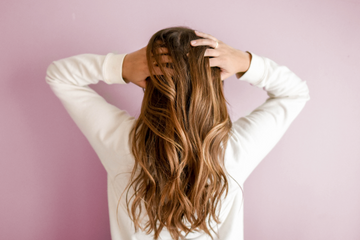
You notice more scalp in a photo from above and start checking your part every time you pass a mirror. Start by looking at how the photo was taken. Wet roots, overhead light, and the placement of the part can change how much scalp you see. If the part looks progressively wider under comparable conditions, bring that pattern to a clinician for an assessment. [1] [2]
At a glance
- Repeat the setup
- Use dry hair, the same part, a similar distance, and steady lighting.
- Note the timeline
- Gradual loss of coverage, sudden shedding, and discrete patches are worth describing separately.
Make your photos comparable
Pick one view and make it easy to reproduce. Part dry hair in the same place, face the same window or lamp, and hold the phone at the same height. A second view of the crown can help if that is where you notice the change. Take the pictures on a similar day in your wash cycle and keep concealers or styling fibers out of the shot.
Save them by date with a line about your routine. If you changed hair color or put in a different part, note that too. Checking everyday photos in changing light often creates uncertainty. A repeatable setup lets you show your clinician what you mean when you say the part has widened.

Describe what changed and when
A part that slowly becomes more visible can be a sign of pattern hair loss. A sudden rise in shedding, a patch, or scalp discomfort gives your clinician different information to work with. More than one process can overlap, especially if you noticed a change shortly after an illness or another life event. Bring the earliest photo you have and the dates of any major changes. [1] [2]
Book an evaluation sooner if you notice a new bare patch, persistent scalp pain, or marked redness or scale. A dermatologist can ask about history, examine the scalp and strands, and determine which tests or treatments fit the findings. Clear photos can make the conversation easier, particularly if the appearance varies with your hair routine. [1]
Which nutrient levels are worth checking?
Ask your clinician whether to check zinc, ferritin, and vitamin D if you have increased shedding across the scalp, a restrictive diet, heavy periods, or another reason to suspect a deficiency. Ferritin reflects iron stores. The usual test for vitamin D status is 25-hydroxyvitamin D, which reflects vitamin D from sources including D3. Your history and exam help determine which tests are useful. A low result may deserve attention even when another cause, such as female pattern hair loss, is also present. [1] [3]
Read our guide to blood tests for hair loss for more on these tests and what a CBC and thyroid panel can add.
Female pattern hair loss and what to ask at different ages
A gradually widening center part with thinning mainly across the top or crown can point to female pattern hair loss, also called androgenetic alopecia. A family history on either side can add to the suspicion. This pattern can start at different ages. The ranges below overlap because symptoms, menstrual history, and the scalp exam matter more than the number on your birthday. [2] [6]
Ages 19–33 · Ask about PCOS when other signs are present
Mention persistent acne, a newly oily scalp, irregular periods, and new coarse hair on your chin, upper lip, chest, or abdomen. That extra coarse hair is called hirsutism. Irregular cycles and hirsutism can make polycystic ovary syndrome (PCOS) worth evaluating. Acne or a widening part alone is a weak clue, and an oily scalp can have several explanations. [4]
Ages 30–51 · Consider signs of perimenopause
Perimenopause usually starts in the 40s. If your cycles have changed and you’re also noticing hot flashes or night sweats, tell your clinician when those symptoms began relative to the hair changes. Fluctuating and eventually lower estrogen can affect the hair cycle. The relative influence of androgens may also change, but a wider part by itself cannot tell you whether DHT is driving the thinning. [5] [6]
Ages 52 and older · Put new thinning in the context of menopause
The average age of menopause in the U.S. is 51. Female pattern thinning can become more noticeable after menopause. Mention whether the change is gradual and concentrated along the part or whether shedding came on suddenly. If you notice a receding frontal hairline along with eyebrow thinning, have a dermatologist examine it promptly. That combination can point to a different form of hair loss. [5] [6] [1]
Where Serevelle® fits into the conversation
If you’re considering an oral supplement, read our guide to the Serevelle® saw palmetto study and compare the research with the product label. Adults with self-perceived thinning who took Serevelle® had a greater average increase in measured hair counts after 180 days than those taking placebo. The trial did not establish a benefit specifically for menopause-related thinning. Advanced Trichology’s DHT Blocker Maximum Strength contains Serevelle® along with other ingredients. The study evaluated the extract alone. [7] [8]
Bring the full label to your clinician, especially if you take medication or other supplements. Saw palmetto may be unsafe during pregnancy or breastfeeding. [9] Ask what options have evidence for your pattern, when to look for change, and which outcome matters most to you. Someone bothered by ongoing shedding may track something different from someone watching visibility at the crown. Starting with a baseline also makes it easier to avoid crediting one product for a change after several were added.
Common questions
How quickly should I retake photos?
Set a repeatable interval with your clinician if you are monitoring a concern or a treatment. Photograph sooner if there is a distinct new area to document.
Does a wide part tell me the cause?
The direction and timeline are clues. A clinician can examine the scalp and put those clues in context. [1]
References
- AAD · Hair loss diagnosis and treatment
- AAD · Female pattern hair loss
- Journal of Drugs in Dermatology · Laboratory testing in telogen effluvium
- International evidence-based guideline for PCOS
- ACOG · Perimenopause and the menopause years
- British Association of Dermatologists review · Hair disorders in menopause
- Ablon · 180-day Serevelle® trial
- Advanced Trichology · DHT Blocker Maximum Strength
- NCCIH · Saw palmetto usefulness and safety
Choose your next step

Featured in this guide
DHT Blocker Maximum Strength
Compare the complete Supplement Facts with the ingredient research.
View product detailsKeep reading

Testing & assessment
Which Blood Tests Are Worth Asking About When Your Hair Is Thinning?
What ferritin, vitamin D, zinc, copper, a CBC, and thyroid tests can tell you when your hair is thinning.

Ingredient research
Can a New Saw Palmetto Extract Help With Thinning Hair?
What a clinical study of oral Serevelle® found about hair shedding and density.

Devices & routines
How Long Does a Laser Cap Take to Work? What to Track Before You Decide
How to choose a laser cap, follow the HairStem™ schedule, and track progress alongside your nutrition and hair-loss evaluation.


Check out what else William Gaunitz shared on InStyle, learn more about Advanced Trichology here, and follow us on Instagram!